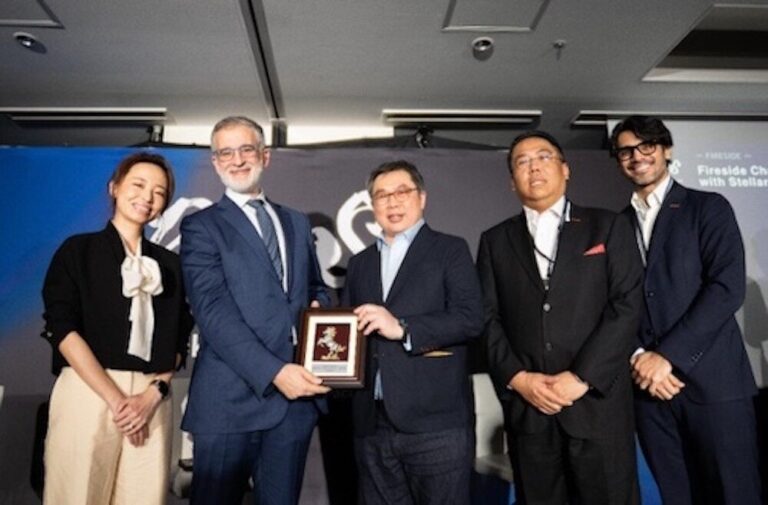

Institutional adoption of tokenised assets will accelerate once financial regulators provide clear guidelines for digital asset investments, according to Sandy Kaul, head of innovation at Franklin Templeton Inc.

Standard Chartered predicts the value of global tokenised assets will grow six-fold over ten years to reach some US$30 trillion by 2034.
“In Asia and across the globe, we are still in the early stages of awareness, where interest and understanding are building around tokenised products and cryptocurrencies,” Kaul says in an interview with Asia Asset Management.
Institutional adoption may take time, especially since many of them “have not been fully up to speed on their internal initiatives”, she adds.
She says progress on digital asset regulations has been nuanced and varies across jurisdictions, and that financial institutions are cautious about moving without clear guidance.
“As markets sharpen their requirements around custodial standards, disclosures, asset segregation, internal controls and capital treatment, mass institutional adoption will follow.”
Kaul believes digital assets will evolve from a niche allocation into a core component of investment strategies for institutional investors as the financial ecosystem “shifts from siloed, account-based infrastructure toward unified digital wallets”.
“With more innovation, capital, and adoption moving into institutional-grade infrastructure, interoperability and scalable integrations will help bring the [global] $100 trillion asset management industry on-chain.”
Kaul also says the integration of blockchain and artificial intelligence is driving a “structural evolution” in the asset management industry.
She says the integration will help asset managers to improve productivity, enable more customised portfolio construction, and increase cost efficiency.
California-based Franklin Templeton has around $1.7 trillion of assets under management.